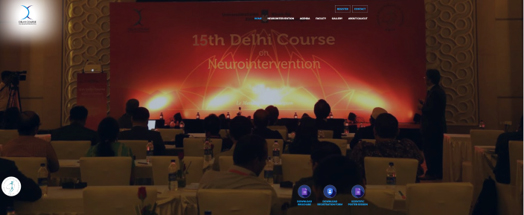
Educational Objectives
- Provide a solid understanding of disease pathophysiology, vascular anatomy, embryology, and neurovascular disorders
- Build a strong conceptual base for the practice and research of neurointervention
- Facilitate in-depth discussions of procedural techniques, decision-making, and the latest advancements in endovascular therapy
- Promote interaction and learning from experienced international and national faculty
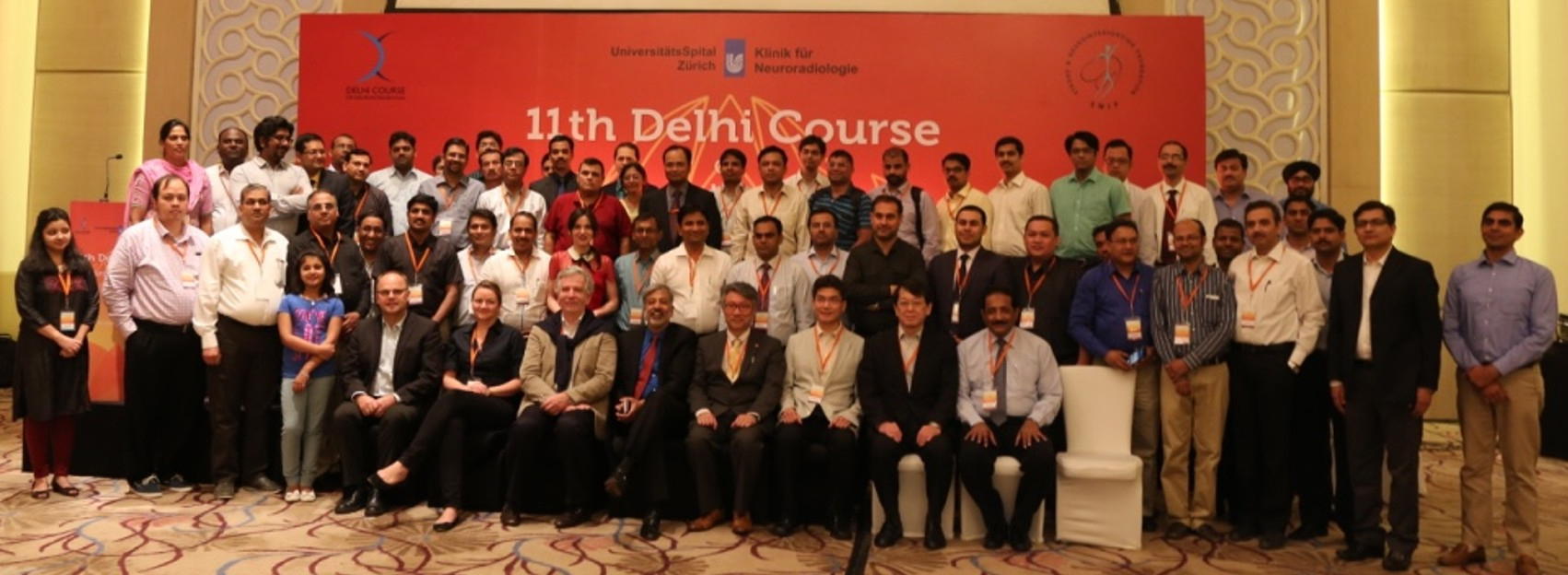
Participants typically come from neurology, neurosurgery, neuroradiology, and related neuroscience disciplines, making the course a multidisciplinary platform for learning and professional networking.
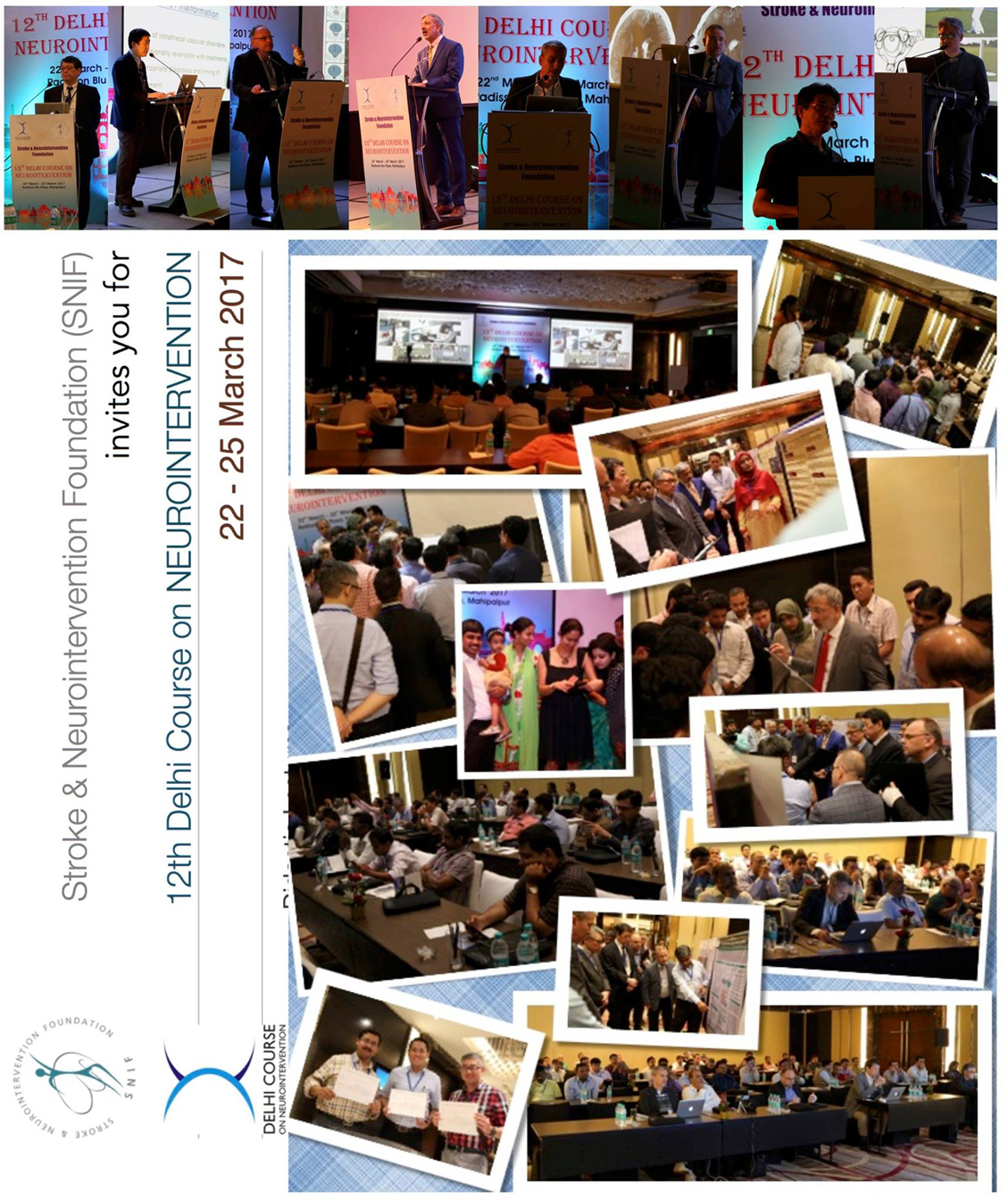
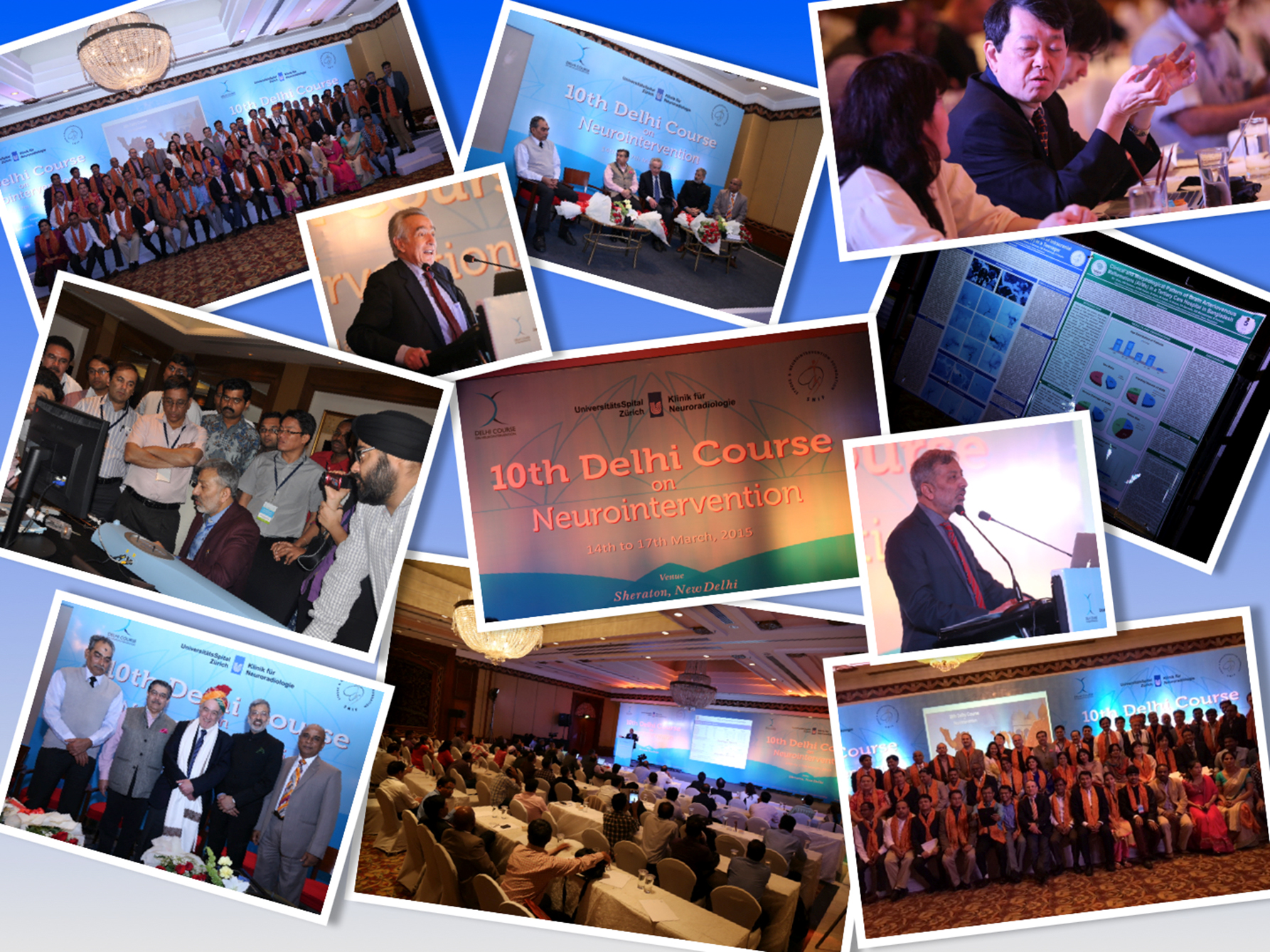
Course Features
The Delhi Course combines theory, discussion, and practical exposure, including: Expert Instruction: A distinguished lineup of faculty delivers lectures and discussions covering both basic science and advanced clinical techniques.
Hands-On Learning: Participants gain practical exposure through:
- Simulation models
- Material workshops
- Video workshops
- Interactive case discussions
These sessions enhance procedural familiarity and reinforce conceptual understanding, helping bridge the gap between theory and clinical application.
Format & Participation
- The course is typically held as a residential program, allowing immersive learning over multiple days.
- Participation is limited, ensuring focused interaction — often capped at around 60 participants on a first-come, first-served basis.
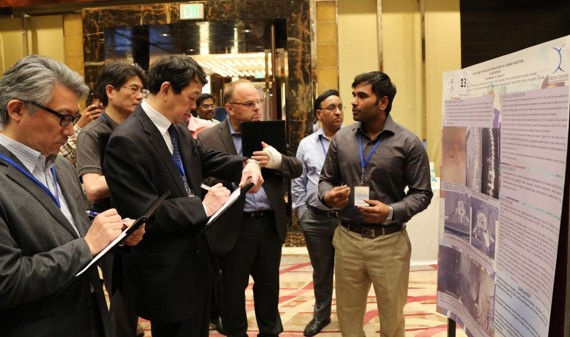
- Participants are encouraged to submit scientific work and case reports, with top submissions recognized by faculty evaluations.
Educational Impact & Legacy
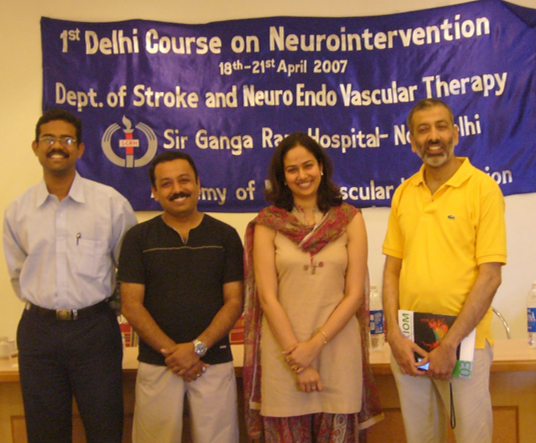
Since its inception in 2007, the Delhi Course on Neurointervention has grown into a respected forum for clinicians to deepen their expertise in neurovascular disease management through minimally invasive techniques. Over the years, it has nurtured a generation of specialists capable of understanding complex cerebrovascular pathologies and applying neurointerventional solutions thoughtfully and safely.
Who Should Attend
- Neurologists
- Neurosurgeons
- Neuroradiologists
- Interventional specialists
- Trainees and fellows seeking to expand their competence in neurointerventional procedures